


The essential vitamins for the adult woman's immune system are vitamin D, vitamin C, vitamin E, and B vitamins, because each one plays a specific role in cellular defense, inflammation modulation, and response to infections. Knowing which ones you need and at what dose makes the difference between supplementation that works and one that simply takes up space in your medicine cabinet. A woman's vitamin needs change according to hormonal stage, lifestyle, and sun exposure, which makes personalization as important as choosing the right nutrient.
1. Why Vitamin D is Key for Your Immunity
Vitamin D is the nutrient most directly linked to immune system regulation in adult women. One-third of the adult population has insufficient levels, with a higher incidence in women, meaning many people are defending themselves with an incomplete tool. Consistent supplementation can reduce autoimmune diseases by 22% in five years, a fact that completely changes the conversation about prevention.

Recommended doses range from 600 to 800 IU daily for adult women in general, and can reach 2,000 IU in cases of confirmed deficiency or autoimmune conditions. A meta-analysis with over 11,000 patients showed that supplementing with 2,000 IU daily reduces respiratory infections, especially in people with previous deficiencies. Frequency matters: taking small daily doses is more effective than a large weekly or monthly dose.
What few people know is that frequent sunscreen use, a sedentary lifestyle, and spending many hours indoors reduce vitamin D synthesis even when supplementing. The body needs direct sun exposure to naturally activate vitamin D.
- General dose: 600 to 800 IU daily depending on age
- Dose for confirmed deficiency: up to 2,000 IU under medical supervision
- Factors that block absorption: sunscreen, sedentary lifestyle, little sun exposure
- Best format: daily supplement instead of a single weekly dose
Professional tip: If you live in a city with little sunlight between October and March, ask your doctor for a 25-OH vitamin D blood test before choosing the dose. The result completely changes the recommendation.
2. Vitamin C: Immune Function and Effective Doses
Vitamin C is fundamental for the function of leukocytes, the cells that identify and eliminate pathogens. Recommended doses for prevention are 500 mg twice daily, a figure much higher than the usual dietary intake of 75 to 90 mg daily that covers basic needs. This difference between the maintenance dose and the therapeutic dose is one of the most common mistakes in female supplementation.
Vitamin C does not cure colds, but it does speed up recovery and reduce the duration of symptoms in respiratory infections. Its effect is especially noticeable when taken preventatively and consistently, not just at the first symptom. Waiting until you are sick to start taking it significantly reduces its effectiveness.
It is important to consider the risks of excessive doses. Above 2,000 mg daily, gastrointestinal discomfort, kidney stones in predisposed individuals, and diarrhea may occur. The key is to maintain a constant vitamin C intake within the therapeutic range, not in sporadic megadoses.
- Reference dietary intake: 75 to 90 mg daily
- Preventive supplement dose: 500 mg twice daily
- Maximum tolerable dose: 2,000 mg daily
- Rich food sources: red pepper, kiwi, broccoli, strawberries
3. B Vitamins: Immune and Hormonal Regulation
Vitamins B6, B9, and B12 directly influence immune response and female hormonal balance, two systems that are more connected than they seem. B6 participates in antibody production; B9 or folic acid is essential for proper cell division; and B12 maintains the integrity of the nervous system and red blood cell formation. A deficiency in any of the three weakens the body's ability to respond to infections.
- Vitamin B6: Regulates the production of cytokines, the proteins that coordinate the immune response. Women of childbearing age with irregular cycles or premenstrual syndrome often have lower levels.
- Vitamin B9 (folic acid): Necessary for DNA replication in immune cells. Its demand increases during pregnancy, but also during periods of chronic stress.
- Vitamin B12: Its deficiency is more common in women over 50 and in those who follow vegetarian or vegan diets. Absorption decreases with age due to changes in the gastric mucosa.
Professional tip: If you follow a plant-based diet, B12 is the only nutrient you cannot reliably obtain without a supplement. Do not wait for neurological symptoms to check it.
4. Vitamin A: Mucosal Protection and Cell Function
Vitamin A maintains the integrity of the respiratory and digestive mucous membranes, which are the first line of defense against viruses and bacteria. Adult women need between 700 and 900 mcg daily of this vitamin to support this protective function. A healthy mucous membrane acts as a physical barrier that prevents pathogens from reaching the bloodstream.
Vitamin A is obtained from two sources: animal-derived retinol (liver, eggs, dairy) and plant-derived beta-carotenes (carrots, sweet potatoes, spinach). The body converts beta-carotenes into vitamin A according to its needs, which makes toxicity from excess much more difficult with plant sources than with retinol supplements. Exceeding 3,000 mcg daily of preformed retinol on a sustained basis can be toxic, especially during pregnancy.
5. Vitamin E: Antioxidant that Modulates Inflammation
Vitamin E acts as an antioxidant that protects cell membranes from oxidative damage and modulates the inflammatory response, a mechanism especially relevant in adult women with high stress levels. The reference dose is 15 mg daily, an amount that can be covered with a diet rich in extra virgin olive oil, nuts, and seeds. However, in stages of higher immune demand, supplementation can be useful.
Vitamin E works synergistically with vitamin C: while C neutralizes free radicals in aqueous media, E does so in fatty media such as cell membranes. Taking both together enhances their antioxidant effect. Doses above 1,000 mg daily of supplement can interfere with blood clotting, so medical supervision is necessary if anticoagulants are being taken.
6. How to Choose Supplements According to Your Hormonal Stage
Hormonal changes in women modify the needs for iron, vitamin B6, vitamin D with K2, magnesium, and omega 3 at each stage of life. Choosing a supplement without considering your hormonal stage is like taking a one-size-fits-all approach when every body is different.
| Hormonal Stage | Priority Vitamins | Recommended Form |
|---|---|---|
| Fertile age and menstruation | B6, B9, iron, vitamin C | B complex + daily vitamin C |
| Pregnancy | B9, B12, vitamin D, iron | Supervised prenatal supplement |
| Perimenopause | Vitamin D3 + K2, magnesium, B12 | D3 + K2 + magnesium combined |
| Menopause | Vitamin D, calcium, vitamin E, omega 3 | Specific formula for menopause |
The combination of vitamin D3 with K2 is especially relevant in perimenopause and menopause because K2 directs calcium to the bones and prevents it from depositing in the arteries. Taking D3 without K2 at this stage may be less effective for bone health. Magnesium, for its part, activates vitamin D in the body, so its deficiency limits the effect of any vitamin D supplement.
7. Diet and Lifestyle that Boost Vitamins
Vitamin supplements work best when accompanied by a healthy lifestyle. Healthy fats, fiber, physical activity, and sun exposure improve the absorption and effectiveness of vitamins for the immune system. Without these factors, even the most careful supplementation loses some of its potential.
Trans fats and ultra-processed foods cause chronic inflammation that weakens the immune system from within. Reducing them is not generic advice: it is a necessary condition for fat-soluble vitamins like D, A, and E to function correctly. Extra virgin olive oil, nuts, and avocado are the fat sources that most favor inflammatory modulation.
The intestinal microbiota produces and activates several immunity-related nutrients. A diet rich in fiber from legumes, vegetables, and fruits feeds this microbiota and amplifies the effect of the vitamins you take.
- Healthy fats: olive oil, avocado, walnuts, flax seeds
- Daily fiber: legumes, leafy green vegetables, fruits with skin
- Physical activity: at least 150 minutes per week of moderate exercise
- Sun exposure: 15 to 20 minutes daily on arms and legs without sunscreen
Key Points
Vitamins D, C, E, and B complex are the most evidence-backed nutrients for strengthening the immune system in adult women, and their effectiveness depends on the dose, hormonal stage, and lifestyle.
| Point | Details |
|---|---|
| Vitamin D as a priority | Supplementing with 600 to 2,000 IU daily reduces infections and autoimmune diseases. |
| Vitamin C in therapeutic dose | 500 mg twice daily for prevention, not just when symptoms appear. |
| B complex according to life stage | B6, B9, and B12 are adjusted according to menstrual cycle, pregnancy, or menopause. |
| D3 + K2 + magnesium in menopause | This combination protects bones and activates vitamin D more completely. |
| Lifestyle as a foundation | Without reducing ultra-processed foods and increasing fiber, supplements lose effectiveness. |
What We Learn at Tres60 About Female Supplementation
After working with hundreds of adult women, the clearest conclusion is this: most do not have an information problem, but a personalization problem. They know that vitamin D is important. What they don't know is that their current level may be 18 ng/mL when it should be above 40, and that explains fatigue, frequent colds, and the feeling of not recovering well.
Conscious supplementation, as the evidence shows, requires medical supervision to avoid risks and ensure effectiveness. But it also requires a holistic view that considers hormones, emotions, and bone health simultaneously. A perimenopausal woman with vitamin D deficiency and low magnesium does not need the same protocol as a 30-year-old woman with irregular cycles and B6 deficiency.
What worries me most about unsupervised supplementation is false security. Taking a generic multivitamin and believing that the immune system is covered is one of the most common mistakes. Multivitamins often contain suboptimal doses of vitamin D and B12, precisely the nutrients with the highest deficiency in adult women. Comprehensive female supplementation must address real deficiencies with real doses, not symbolic amounts.
My practical recommendation: start with a blood test that includes vitamin D, B12, ferritin, and a complete blood count. With that data, any supplementation decision has a real basis. Without it, it's a gamble.
— Tres60
Supplements Formulated for the Female Immune System
If you want to strengthen your immune system with supplements formulated by doctors and adapted to the needs of adult women, Tres60 has what you are looking for.
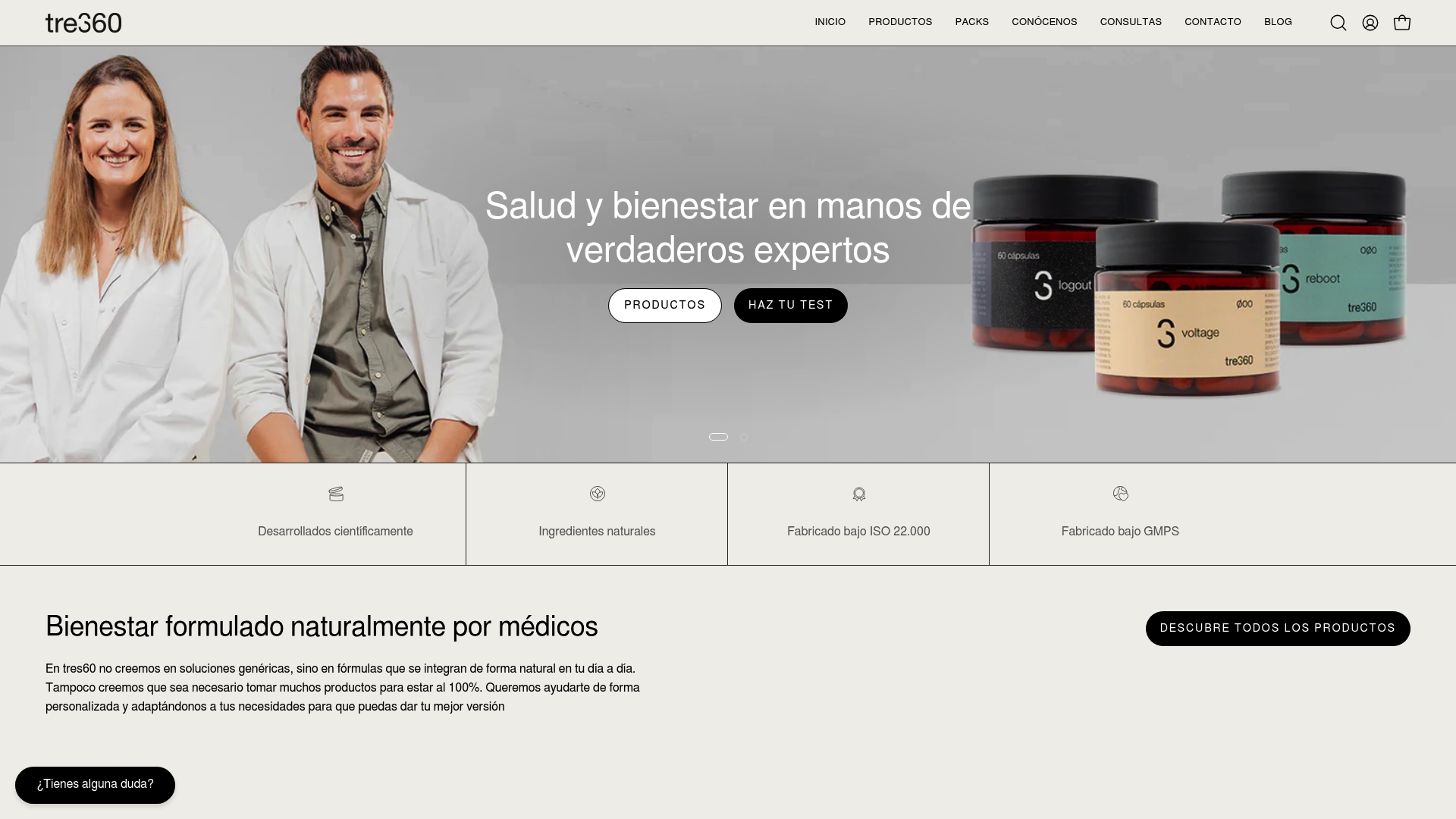
Tres60's Immune is specifically designed for the daily care of the female immune system. For those seeking support during menopause or perimenopause, the Vitamin D3 + K2 + Magnesium formula combines the three nutrients most needed at that stage. And if fatigue is part of the problem, Reboot helps reduce tiredness and protect against oxidative damage. All Tres60 products are formulated with medical criteria and designed so that supplementation is a real act of self-care, not an empty routine.
Frequently Asked Questions
What vitamins are most important for the female immune system?
Vitamins D, C, E, and B complex are the most evidence-backed for female immunity. Vitamin D stands out for its ability to reduce autoimmune diseases and respiratory infections when supplemented consistently.
How much vitamin D does an adult woman need daily?
The general dose is 600 to 800 IU daily, but it can reach 2,000 IU if there is a confirmed deficiency. It is always advisable to check blood levels before adjusting the dose.
Does vitamin C prevent colds?
Vitamin C does not prevent colds, but it speeds up recovery and reduces their duration. The recommended preventive dose is 500 mg twice daily, much higher than the usual dietary intake.
Should I change my vitamins according to my hormonal stage?
Yes. Hormonal changes during menstruation, pregnancy, and menopause modify the needs for B6, B9, vitamin D, K2, and magnesium. Adapting supplementation to each stage improves both efficacy and safety.
Can I get all these vitamins from food alone?
In theory, yes, but in practice it is difficult. Vitamin D requires sun exposure that many women do not get, B12 is absorbed less well with age, and therapeutic vitamin C exceeds what a typical diet provides. Supplements bridge these real gaps.


